Featured
Table of Contents
That maximizes cash in the short-term, and you might have 3 to 4 years to save towards the settlement quantity. Very unsafe to credit rating, mainly due to missed out on payments and an unfavorable "cleared up" mark that can remain on your credit scores report for approximately 7 yearsMay be just alternative if other alternatives (debt loan consolidation, equilibrium transfer credit rating cards, debt forgiveness) aren't possibleTypically needs a fee to the 3rd party, which can offset some or all of the financial savings from financial obligation settlementMay assist you prevent insolvency if you have actually missed several paymentsNot all lenders deal with debt negotiation business Financial debt forgiveness might be best for you if you are experiencing a monetary difficulty that makes it virtually impossible to pay down your financial debt equilibriums.
With a DMP, you make one month-to-month repayment to the credit report therapy company. Those funds are then distributed to creditors of your unsafe debts, such as charge card and installment loans. The agency collaborates with your financial institutions to decrease passion rates or waive fees, however some financial institutions might reject such concessions.
A debt loan consolidation loan combines your qualified debts into one brand-new car loan. It can help you pay for debt if you have the ability to protect a funding price that's less than the ordinary price of the accounts you're consolidating. However, you should avoid acquiring debt on those newly removed accounts or your financial debt might expand also greater.
That offers you lots of time to remove or dramatically decrease your balance while making interest-free payments.
Facts About How Legitimate Providers Follow Professional Standards Revealed
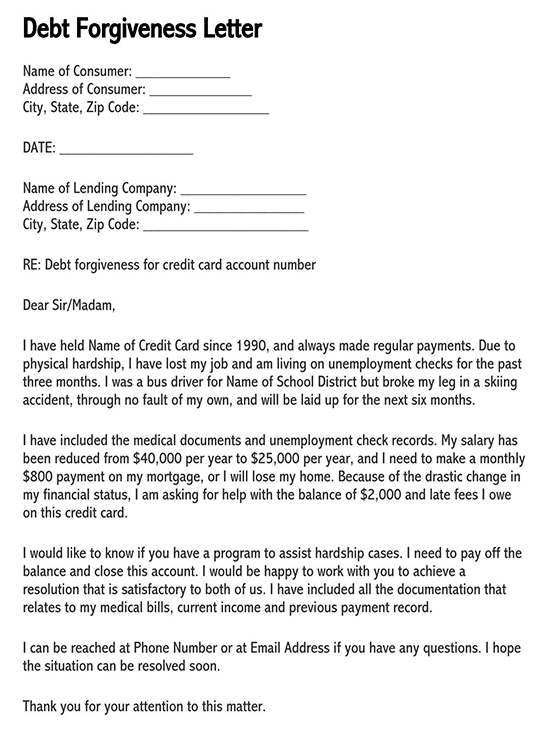
You might need it if your creditor or a debt collector ever before attempts to collect on the financial debt in the future. The letter could confirm you don't owe what the debt collector's documents reveal. Yes, in many cases, the IRS considers forgiven debt as taxed income. When a lender forgives $600 or even more, they are required to send you Kind 1099-C.
Financial debt mercy or settlement practically always injures your credit history. Anytime you resolve a debt for much less than you owe, it may look like "settled" on your credit rating report and influence your credit history for 7 years from the date of settlement. Your credit scores can additionally go down significantly in the months resulting in the forgiveness if you fall back on repayments.
Rumored Buzz on Inflation That Affect Rising Demand Are Seeking Sustainable Finance for Households: Integrating ESG Thinking into Personal Budgeting
This scenario typically results from underreporting revenue, not filing returns on time, or inconsistencies discovered throughout an Internal revenue service audit. The consequences of accumulating tax debt are major and can include tax obligation liens, which give the IRS a lawful insurance claim to your residential property as safety for the financial debt.
Higher rates of interest on offered credit score. Earnings and Financial institution Accounts internal revenue service can levy (seize) salaries and savings account to please the financial obligation. Reduced earnings and disturbance of necessary financial processes. Building Seizure In extreme cases, the internal revenue service can confiscate and sell residential or commercial property to cover the financial debt. Loss of valuable properties and possible variation.
Anxiety, stress and anxiety, and other psychological health issues. Social Stigma Facing lawsuit from the IRS can carry social stigma. Damages to credibility and partnerships. Employment Opportunities A poor credit history as a result of exhaust debt can restrict employment possibility. Trouble finding or maintaining a work. Federal government Advantages Tax obligation financial obligation may affect eligibility for federal government advantages, such as Social Safety and Medicaid.
The Best Guide To Red Flags When Researching Forgiveness Services
The OIC thinks about several elements, including the taxpayer's income, expenses, property equity, and capability to pay. Effectively discussing an OIC can be intricate, needing a comprehensive understanding of the internal revenue service's standards and a strong debate for why your offer straightens with your capability to pay. It is essential to note that not all applications are approved, and the process needs detailed financial disclosure.
The IRS evaluates your total economic circumstance, including your earnings, costs, possession equity, and capability to pay. You must likewise be present with all filing and payment demands and not be in an open personal bankruptcy case. The internal revenue service additionally considers your compliance history, reviewing whether you have a record of prompt declaring and paying tax obligations in previous years.
An Unbiased View of Developing Post-Sustainable Finance for Households: Integrating ESG Thinking into Personal Budgeting Financial Plan for Lasting Success
The application procedure for an Offer in Concession entails a number of in-depth steps. You have to finish and submit Internal revenue service Form 656, the Offer in Concession application, and Kind 433-A (OIC), a collection info declaration for individuals. These types require comprehensive economic details, including information about your revenue, financial obligations, costs, and properties.
Back taxes, which are overdue taxes from previous years, can considerably boost your overall internal revenue service financial debt if not resolved without delay. This financial debt can build up rate of interest and late settlement fines, making the initial quantity owed a lot bigger over time. Failing to repay taxes can result in the internal revenue service taking enforcement actions, such as releasing a tax lien or levy versus your home.
It is very important to resolve back tax obligations as quickly as possible, either by paying the full quantity owed or by preparing a layaway plan with the IRS. By taking proactive actions, you can avoid the buildup of added passion and charges, and protect against more hostile collection activities by the internal revenue service.
One typical reason is the idea that the taxpayer can pay the sum total either as a round figure or via a layaway plan. The internal revenue service additionally considers the taxpayer's income, expenditures, asset equity, and future earning potential. If these variables show that the taxpayer can afford to pay more than the used quantity, the IRS is likely to deny the deal.
Indicators on Real Testimonials of Bankruptcy Counseling Users You Should Know
It is vital to offer accurate and total information in your application and to talk to a tax obligation professional to improve the possibilities of acceptance. Handling IRS debt can be complicated and challenging. Tax professionals, such as CPAs, tax obligation lawyers, or signed up representatives, can provide indispensable help. They have the expertise to navigate the intricacies of tax law and IRS procedures.

Table of Contents
Latest Posts
The smart Trick of Your Interests That Nobody is Talking About
All About What to Budget for Accredited Virtual Wallets and Mobile Payments: Your Complete Guide to Digital Financial Security : APFSC Help
The Best Strategy To Use For Recovering Your Credit Rating Following Bankruptcy
More
Latest Posts
The smart Trick of Your Interests That Nobody is Talking About
The Best Strategy To Use For Recovering Your Credit Rating Following Bankruptcy